
Infertility 102, Treatments & Cost

Updated: Nov 2, 2023
When I first realized we were going through infertility, my first concern was how much money it would cost. I would drive past the fertility clinic along the freeway, and I was scared to even think about making an appointment there because I assumed it would automatically be expensive. This response is only natural because many infertility treatments can quickly get costly. However, not all infertility cases require tons of money, so I wanted to briefly share some possible treatments for infertility and show how not all of them will drain your life savings or risk losing your house.

Note: I am not a medical or financial advisor. I'm only trying to show that infertility is not always expensive but something to discuss with your doctor and insurance provider.
Infertility treatments are not a one size fits all solution because each infertility case is different and unique. And some couples may need to try more than one of these treatments before reaching success or moving to alternate routes to have their family.
Medication & Timed Intercourse -
One of the most common factors for infertility is failure to ovulate or ovulate regularly. I have a condition known as PCOS (Polycystic Ovarian Syndrome); one side effect is that I don't always ovulate each cycle. And if I do ovulate, I won't easily know when my fertile window is due to irregular cycles.
While it is the most common, it is also considered one of the easier to treat baring any other infertility factors. Doctors frequently prescribe Letrozole and Clomid to correct irregular cycles and improve ovulation. While these medications are different, they function similarly. Your doctor will prescribe specific days of your menstrual cycle to take the drug, which will help your body to ovulate within a particular time frame. In simple terms, you and your spouse can have timed intercourse during your fertile window giving the egg and sperm the optimal chance to meet.
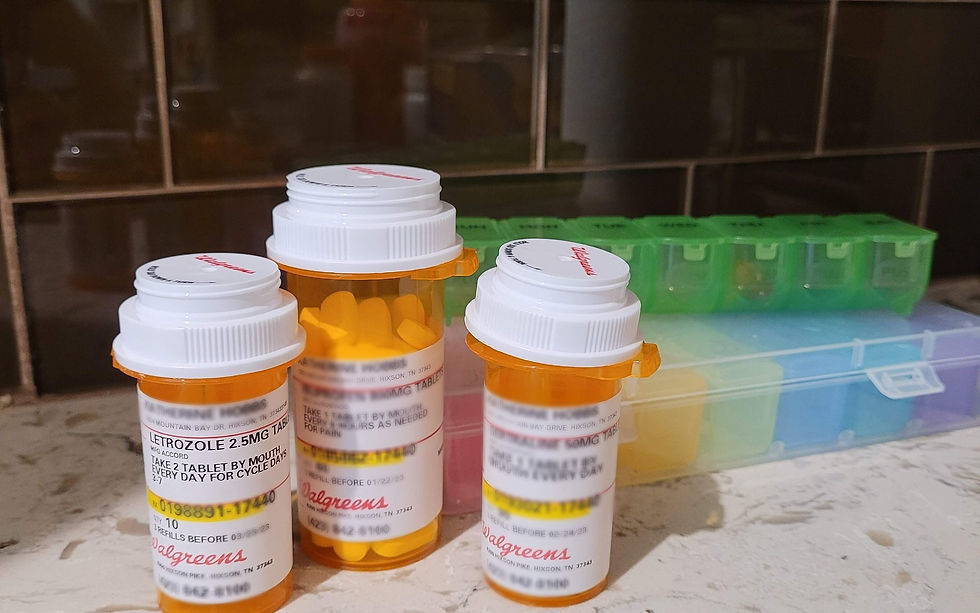
Some people's bodies are resistant to Clomid and others to Letrozole, which means your body doesn't respond to the medication. However, someone is rarely resistant to both. Your doctor should monitor you with bloodwork and sometimes ultrasounds to ensure the medicine is working. There will likely be some side effects as well. Having taken both Clomid and Letrozole, I prefer the latter, but everyone's body is different, and you should discuss both options with your doctor.
Medication and timed intercourse are probably the least expensive compared to other fertility treatments. According to GoodRx, Clomid can be as low as $5.09, with the average cost being $38.85. Letrozole, can sometimes cost more out of pocket but depending on your insurance may be covered 100%. According to GoodRx, Letrozole is about $6.22 on the low-end, with the average cost being $76.32. Again these prices are to give you a general idea. Depending on your dosage required, insurance coverage, and where your prescriptions are filled, there will likely be some variance. Depending on how many rounds/cycles you need to get pregnant, this option is probably pretty friendly on your budget if irregular cycles are your only cause of infertility.
Intrauterine Insemination (IUI) -
Intrauterine Insemination (IUI) is where sperm is collected and injected into the uterus near ovulation, so that sperm and egg have a chance to meet up. I realize there is a little more to it than that, but in non-medical speak, it's the best description I have.

Most IUI cycles are medicated with Clomid or Letrozole to ensure an egg matures and that your clinic can monitor ovulation more easily. However, a natural IUI cycle without medication will reduce the overall cost. For some IUI cycles, a "trigger shot" induces ovulation at a specific time to synchronize when the sperm gets injected into the uterus. These are all things to discuss with your doctor, and your fertility clinic may have a specific protocol they prefer to follow.
While not cheap, IUI is less expensive than IVF. Please note that some insurance companies require an IUI before attempting IVF. According to my fertility clinic, IUI usually costs around $530, though I know the cost can increase depending on other factors. As with medication and timed intercourse, the price will depend on your insurance coverage, location, and specific infertility needs.
Invitro Fertilization (IVF) -
IVF is usually what most people think of when they think of infertility. IVF is the most expensive treatment option and carries the most risk. However, statistically, IVF is shown to be the most successful.
IVF usually has two segments, egg retrieval, and embryo transfer. In the first cycle, you will have a lot of medications to encourage your ovaries to mature as many eggs as safely possible. Your clinic should monitor your progress closely to ensure your medication doses are in the sweet spot to develop a lot of eggs but not so many that you risk overstimulation. Once your eggs mature, you will take a "trigger shot" to cause ovulation. Your egg retrieval at the clinic will happen at a particular time so that they can retrieve the eggs just before ovulation occurs.

During the second cycle, you will take medications to prepare your body for implantation to have a higher chance of a successful embryo transfer. Meanwhile, the clinic is preparing your eggs and sperm to become embryos. They usually rate the quality of each embryo, so you can decide which one to transfer in hopes of implantation.
I realize my description of the IVF process is vastly oversimplified. However, I'm not a medical doctor, and I will leave it to your doctor to fill in the little details and customize it to your specific treatment plan.
Because there are so many factors in IVF, the overall cost can vary widely. Usually, the cost of IVF is between $15,000-30,000. What your insurance will cover will also depend on your specific plan. Thankfully most fertility clinics will contact your insurance and help you find out what is and is not covered. There are also a lot of financial assistance or scholarship programs available that try to help ease the financial burden of IVF. While there are no guarantees that IVF will be successful, it may give you the highest chance for success.
Surgery -

I can't give you a specific price range on surgery, as it probably depends on what type of surgery you need. However, I felt it was worth mentioning, as some cases of infertility require one form of surgery or another. They may also be a precursor to other fertility treatments, so it is something to keep in mind when considering fertility treatments.
Donor Eggs, Sperm, and Surrogacy -
In some infertility cases, you may need to use donor eggs, sperm, or a surrogate. Because I haven't researched it, I don't know how much this might cost, but it can be an added cost on top of other fertility treatments.
Takeaways
I hope you found this post helpful in realizing not all fertility treatments are expensive and that, in some cases, they can quickly add up. I know I'm not a medical doctor or a financial advisor, but hopefully, this can be a guide as you ask questions at your fertility clinic and help you make the best choice for yourself and your family.


Comments